Why Our Kiln Dried Logs are Woodsure Accreditated
Here at Walker’s Logs, we want to ensure our customers receive the highest quality products possible. That’s why our kiln dried logs are fully Woodsure accredited.
Woodsure Ready To Burn
Woodsure Ready To Burn is a certification scheme for producers in the woodfuel industry. It confirms that the firewood being sold meets the correct standards and has a moisture content of 20% or below, meaning it is truly “Ready to Burn.”
Woodsure carries out regular checks on producers and their products to ensure they continue to meet these standards.
When you see the Woodsure Ready To Burn logo, you can be confident that the wood you’re buying is the correct quality and moisture level. At Walker’s Logs, we kiln dry all our firewood to 20% moisture or below to guarantee our customers receive the best possible fuel.
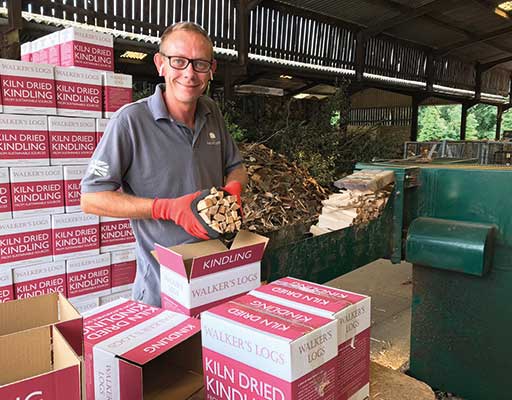
So why do we think kiln dried is better?
Kiln dried logs are much easier to burn. They light quickly and produce more heat than wet or partially seasoned wood.
When burning wet logs, you may struggle to get the fire going. You’ll also use more wood than necessary because most of the heat is spent evaporating moisture rather than warming your home. This means less heat output and more fuel needed.
Kiln dried logs create less smoke, making them ideal for both indoor stoves and outdoor fire pits.
Compton Abdale Village Fete
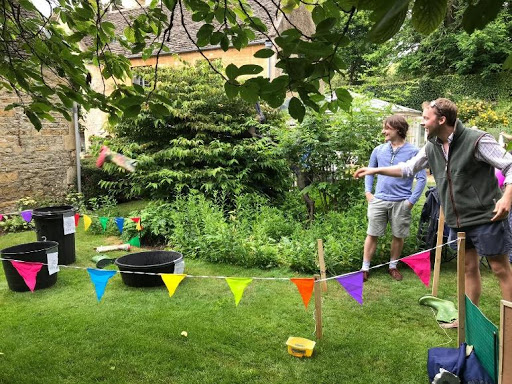
On July 27th, the annual Compton Abdale Village Fete took place. This local event raises money for two charities. We donated ten bags of our kiln dried logs, which were used as prizes in the raffle.
There were plenty of activities, including Wool Sack Throwing, Welly Wanging and a Coconut Shy, to name a few. This year, an amazing £8,100 was raised.
Follow us on Social Media!
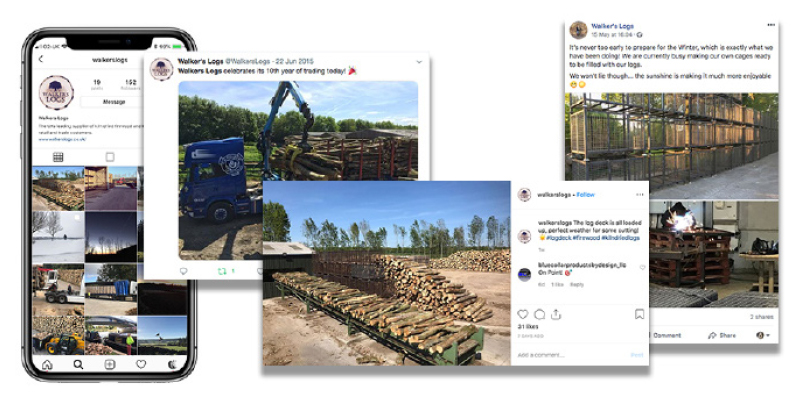
Did you know we’re on Social media? Follow us on Instagram, Twitter and Facebook for updates on what we’re doing here at Walkers Logs. Click the social icons below to find out more!
Summer is almost over, and Autumn is on its way!
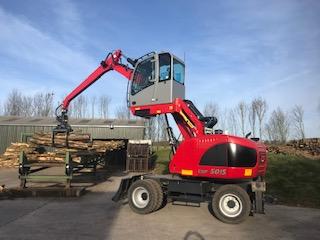
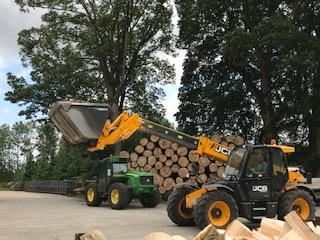
We’ve enjoyed some fabulous weather over the past few months, and during this time we’ve been busy stockpiling for winter. with temperatures easily exceeding 30OC in some places. With temperatures reaching over 30°C in some places, the dry conditions have helped forest operations. Our contractors have been felling thousands of tonnes of wood, as dry ground reduces damage from heavy machinery and makes timber extraction easier.
However, autumn is fast approaching, and soon we’ll be saying goodbye to warm evenings and summer clothes. We recommend stocking up early while the weather is good — and to take advantage of last season’s prices. Due to rising raw material costs, prices will increase by around 5% on 1st September 2019.
Ash dieback is going to cost billions
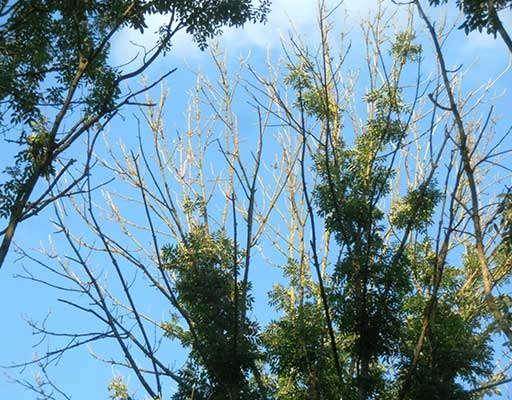
Chalara, also known as ash dieback, is a rapidly spreading disease harming ash trees across the UK. It is caused by a fungus that blocks the tree’s water transport system, eventually killing it. The disease is believed to have arrived on imported nursery trees and has since spread throughout the UK.
It is also believed to be spread through spores from infected trees that are carried in the wind. Young ash trees are more vulnerable and tend to die more quickly, while older trees can survive for longer.
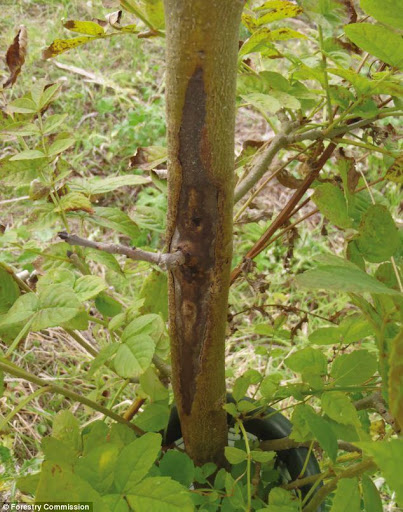
Ash dieback is easy to spot. Infected trees show:
- Wilting leaves
- Brown or black discolouration
- Darkened leaf stems
- Diamond shaped lesions on the trunk
- Brown colouring within the stem when cut open
A healthy ash stem should appear olive-green, so any brown streaking is a warning sign.
A researcher at the University of Oxford estimates that ash dieback will cost £15 billion to manage. This includes removing dead trees and the economic loss of benefits ash trees provide, such as clean air and carbon storage.
Many woodland owners are now felling ash trees before they die. Ash is a strong hardwood and is perfectly safe to burn, even if infected. Today, 50% of our timber intake is ash — compared with just 5–10% in 2009.
Research projects are also underway to identify ash trees with natural tolerance to the disease. These could play a crucial role in restoring the species. For more information about ash dieback, visit the Forestry Commission website.